
AFS CAPITAL LIMITED
Variable Capital Company (VCC)
A modern fund structure designed to enhance flexibility, efficiency, and global fund domiciliation in Singapore
Variable Capital Company (VCC)
Overview of the VCC Framework
The Variable Capital Company (VCC) is a modern corporate fund structure designed to support a wide range of investment strategies, offering fund managers enhanced operational flexibility, efficiency, and cost effectiveness. It enables greater agility in capital management, including share issuance and redemption, as well as dividend distributions. In addition, fund managers can consolidate multiple funds within a single VCC structure, achieving significant economies of scale and streamlined administration. This framework is intended to encourage greater fund domiciliation in Singapore and further strengthen its position as a leading international fund management hub.
Fund managers may establish VCCs for both traditional and alternative investment strategies, including open-ended and closed-ended fund structures. Existing investment funds with comparable structures may also be re-domiciled to Singapore by transferring their registration and converting into VCCs through the Accounting and Corporate Regulatory Authority (ACRA) online filing system at www.vcc.bizfile.gov.sg.
Each VCC is required to appoint a fund manager regulated by the Monetary Authority of Singapore (MAS) to oversee its investment activities. Further guidance on eligibility criteria for fund managers can be found in the Explanatory Brief on the Variable Capital Companies Bill dated 10 September 2018, available on the MAS website.
To support the introduction of this framework, MAS and ACRA launched a VCC Pilot Programme involving 18 fund managers. These participants have successfully incorporated or re-domiciled a total of 20 investment funds under the VCC structure. The funds span a diverse range of strategies, including venture capital, private equity, hedge funds, and Environmental, Social, and Governance (ESG) investments, demonstrating the versatility and effectiveness of the VCC framework across multiple asset classes
Why Choose a VCC Structure?
Key Features & Advantages of a Variable Capital Company (VCC)
Discover the unique advantages of Singapore’s flexible fund structure designed to enhance operational efficiency, investor accessibility, and global fund management capabilities
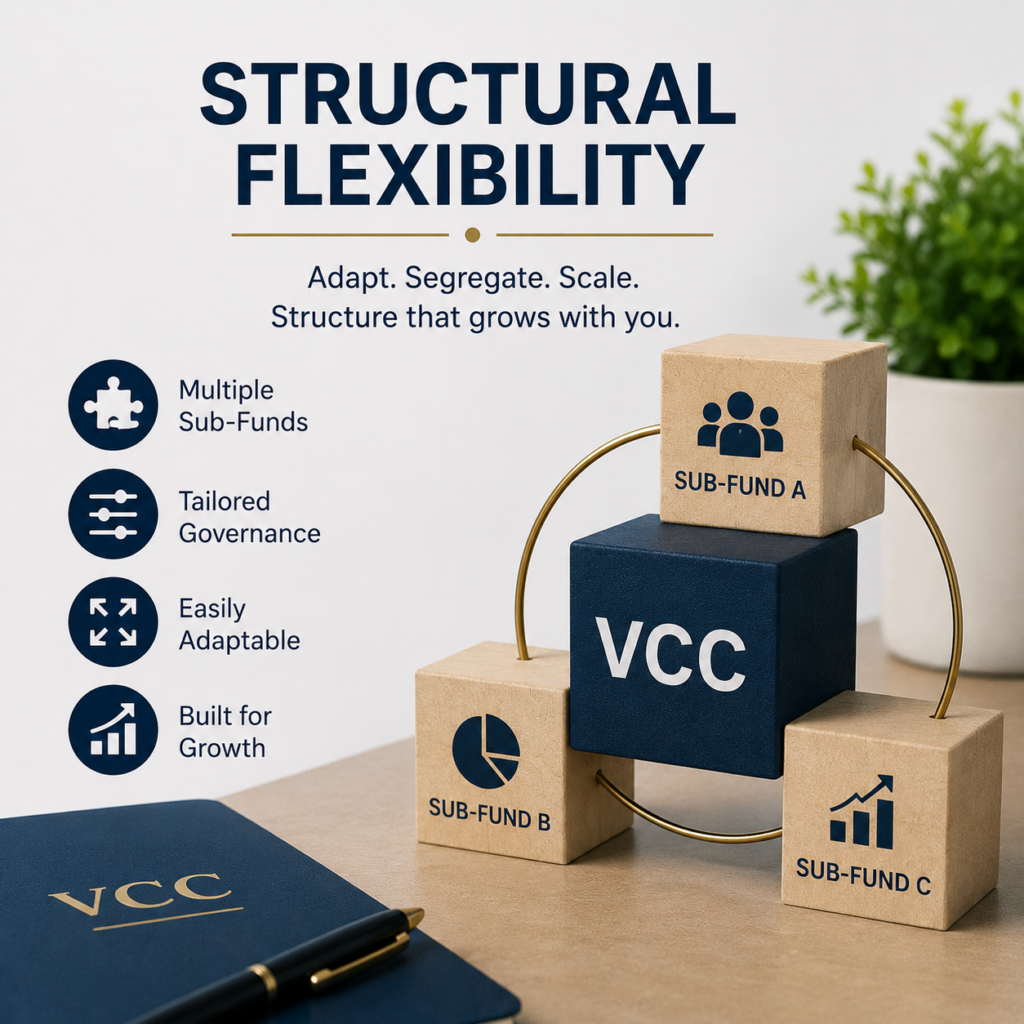
Structural Flexibility
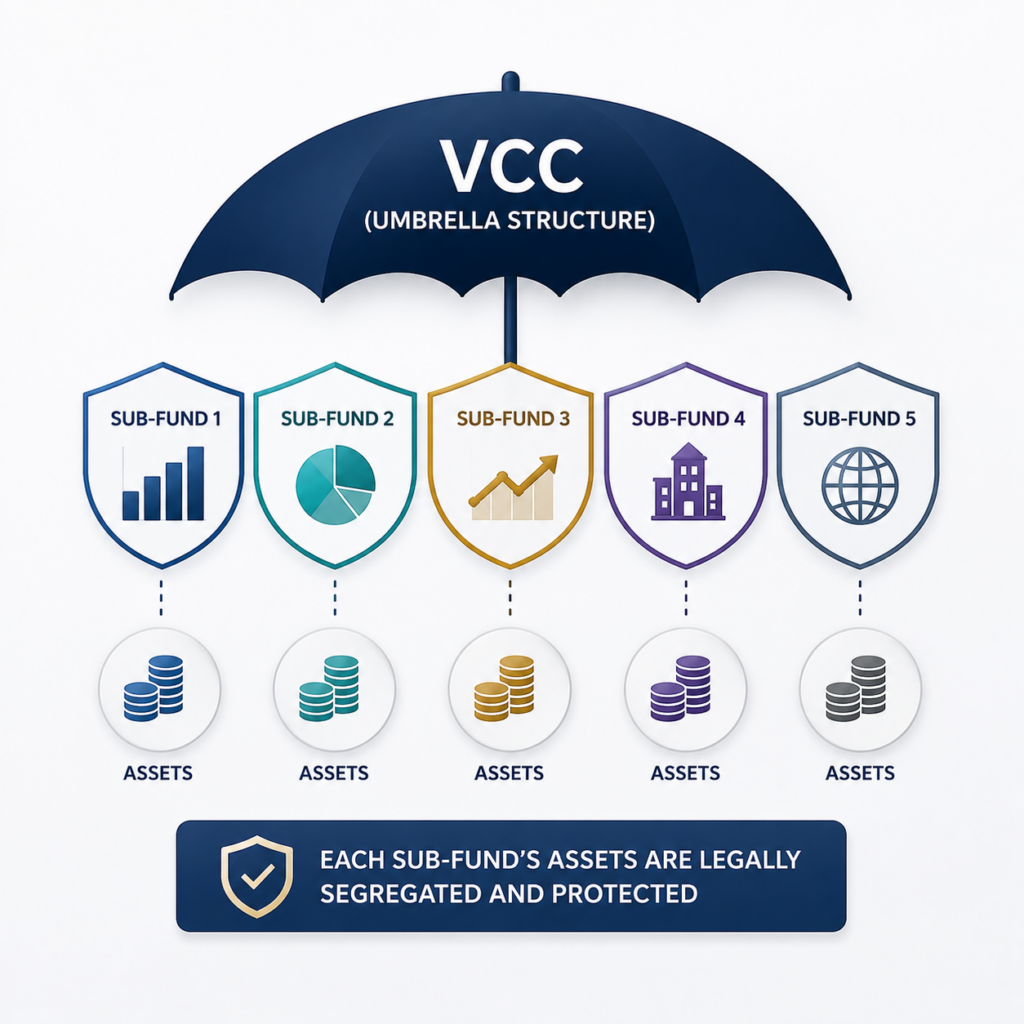
Supports both standalone funds and umbrella structures with multiple sub-funds under a single entity.
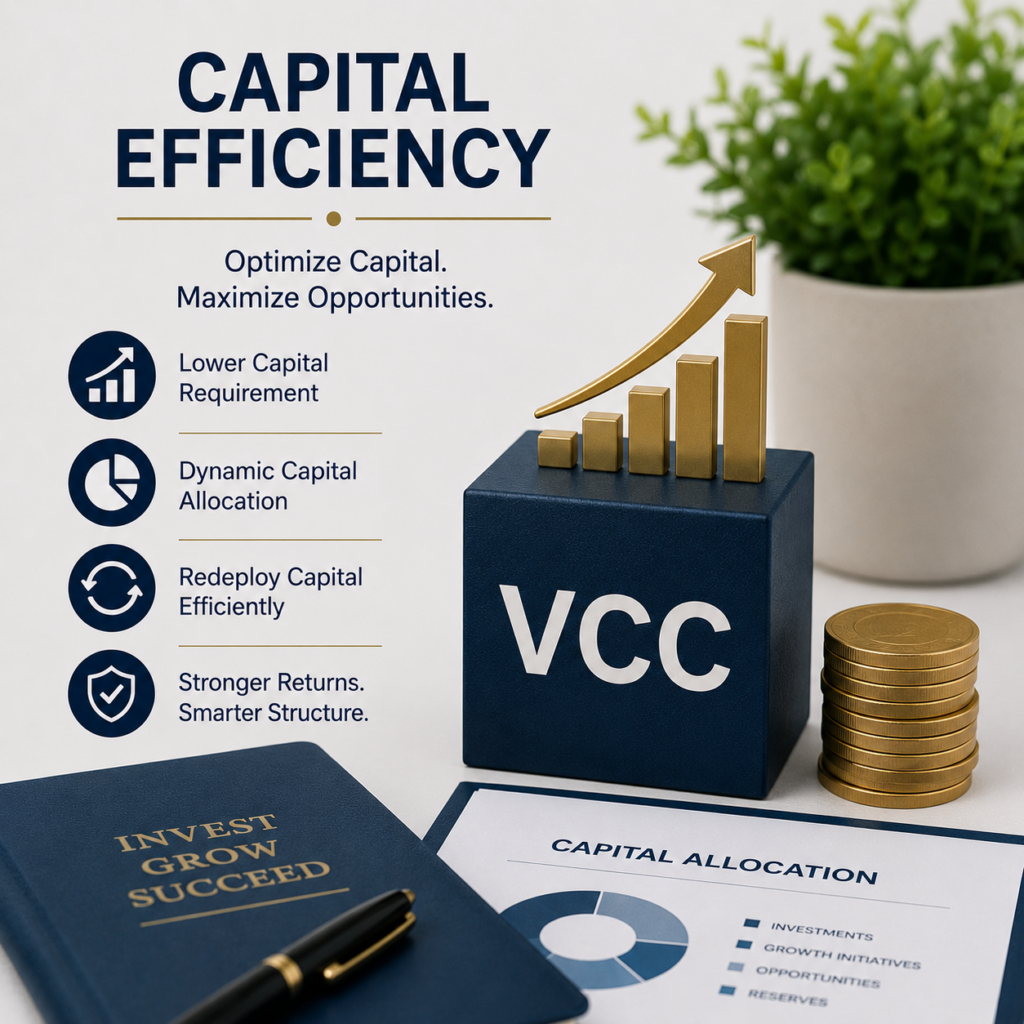

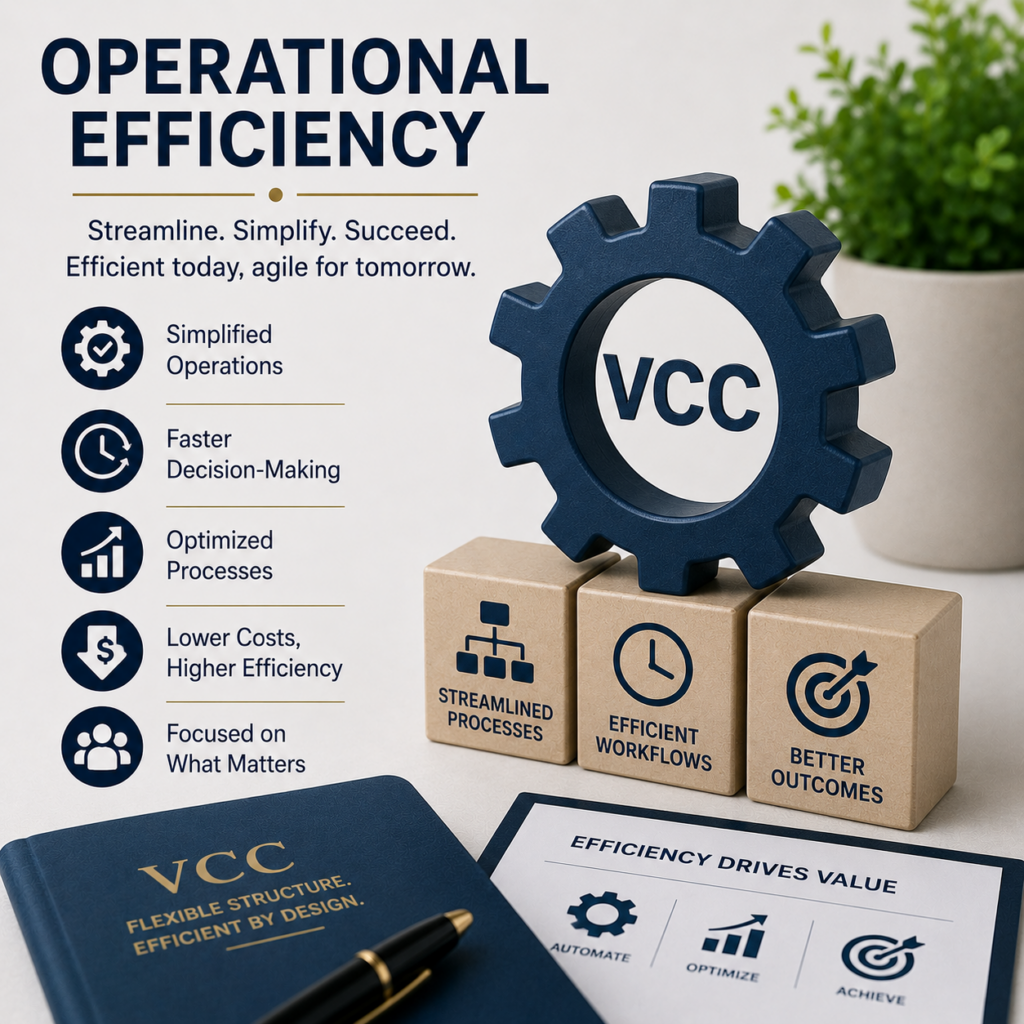
Versatile Applications of the VCC Structure
Common Uses of a Variable Capital Company (VCC)
Discover how VCCs are utilized by fund managers, family offices, and institutional investors to structure and manage a wide range of investment strategies
Uses of a VCC
Open-ended and closed-ended investment funds
Private equity and venture capital structures
Hedge fund platforms
Family office investment vehicles
ESG and impact investment funds
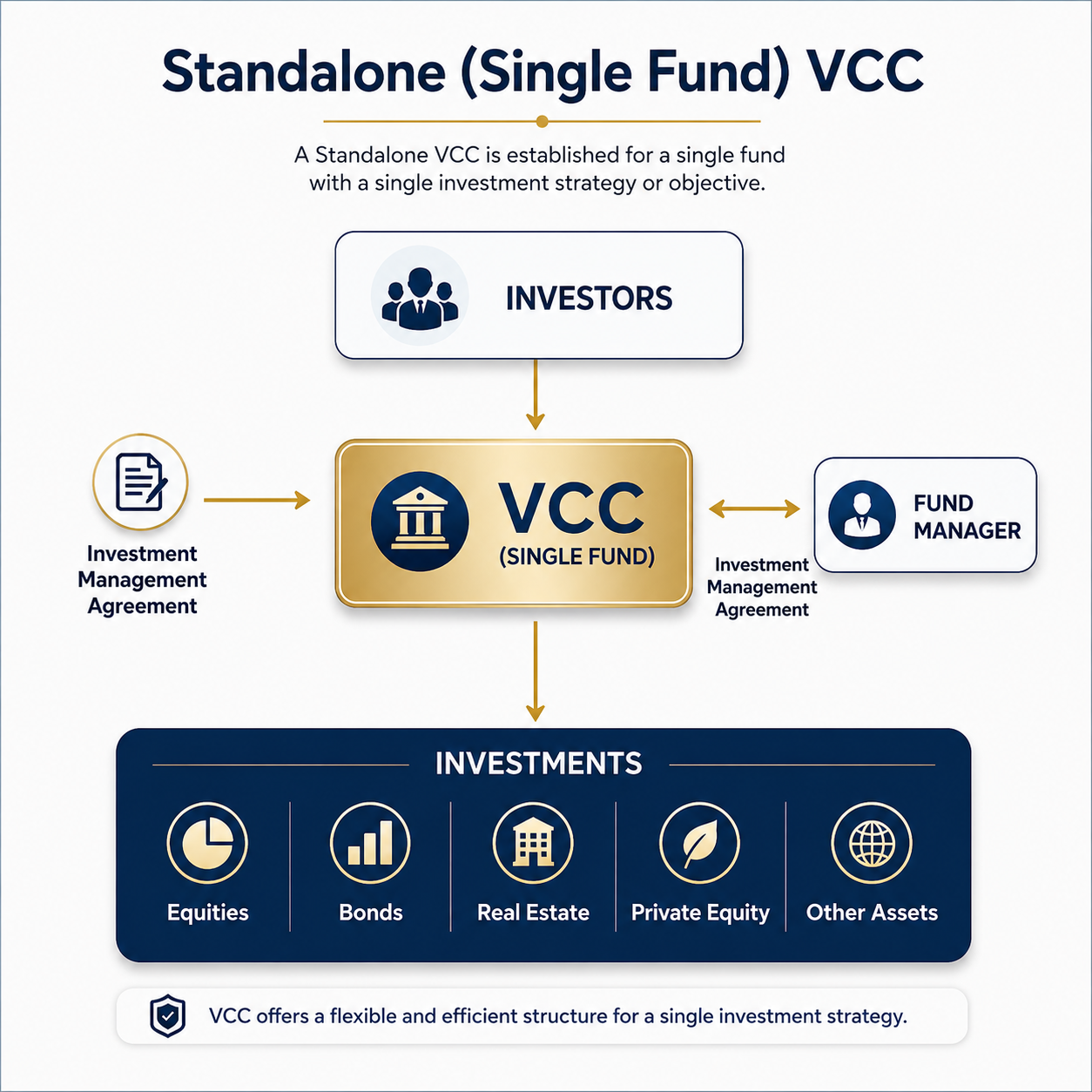
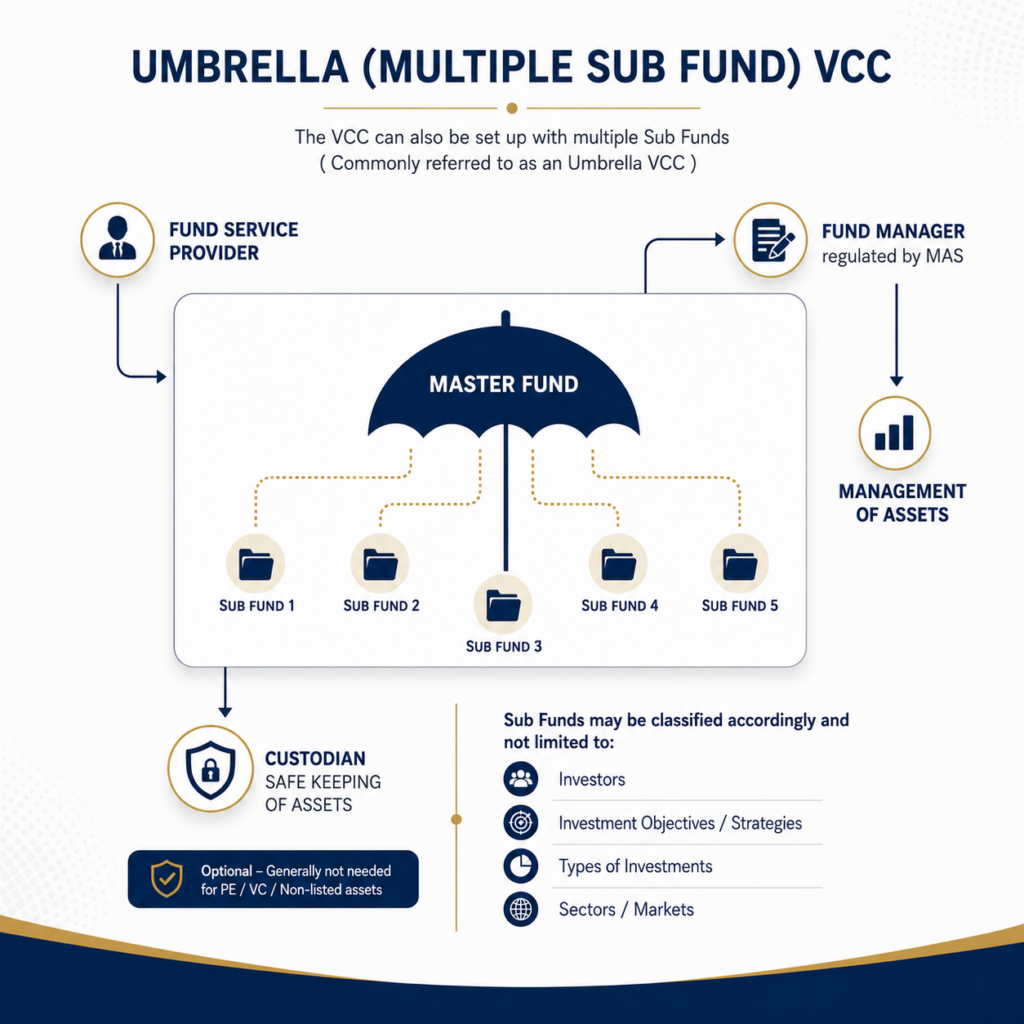
Variable Capital Company (VCC) Structure Options
Choose the Right VCC Structure for Your Fund
Leverage Singapore’s innovative VCC regime with customizable fund structures that enhance operational efficiency, investor access, and asset segregation
Understanding VCC Regulatory Requirements
Key Regulatory Requirements for Variable Capital Companies
Understand the essential compliance, governance, and reporting obligations required to establish and maintain a VCC in Singapore
Must appoint a MAS-regulated fund manager
Registered office must be in Singapore
At least one Singapore-resident director required
Must appoint a Singapore-based company secretary
Annual audit required by a Singapore-approved auditor
Financial reporting under IFRS, SFRS, US GAAP or equivalent standards
The Preferred Fund Vehicle for Modern Investment Structure
Why Choose a VCC in Singapore?
Singapore’s Variable Capital Company framework offers a versatile platform for fund managers, family offices, and investors seeking efficient fund administration and growth
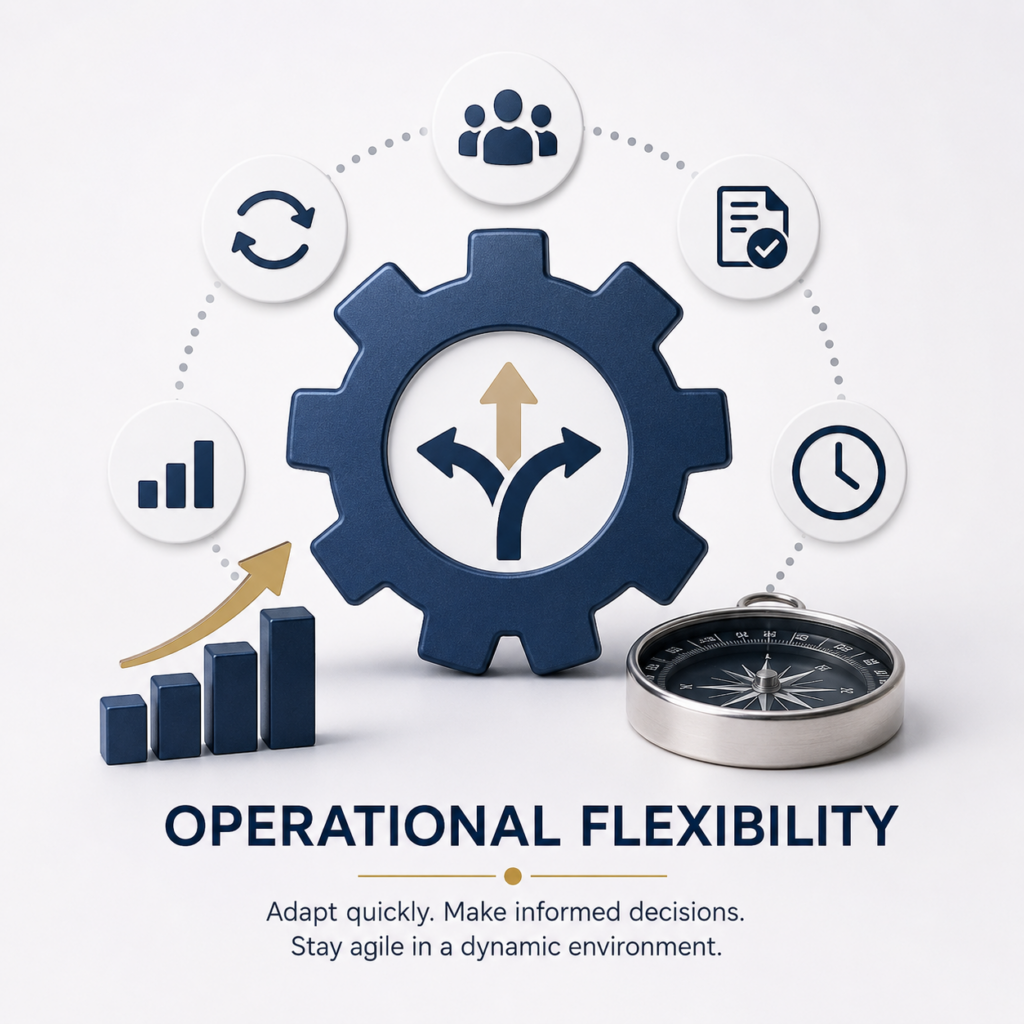
Operational Flexibility
VCCs allow for the seamless issuance and redemption of shares, enabling fund managers to adjust fund size in response to investor demand and market conditions. This flexibility supports more responsive portfolio management without complex restructuring


VCC Frequently Asked Questions
Find answers to common questions about VCC structures, regulatory requirements, tax considerations, and fund management opportunities in Singapore.
It is a new legal entity form/structure for investment funds administered by ACRA with AML obligations of VCC under MAS guidelines
Traditional and alternative fund strategies (both open-ended and close-ended)
As a stand-alone or as an umbrella entity with multiple sub-funds
• Local registered filing agent Corporate secretary
• Singapore based fund administrator ( If 13R or 13X application is considered )
• VCC must be managed by Fund Manager regulated by MAS
• Enhanced safeguard by segregation of assets and liabilities in each sub-fund
• Financial statements are not required to be made public
• VCC registar members private but need to be provided upon request to certain persons such as public authorities, VCC manager and custodian
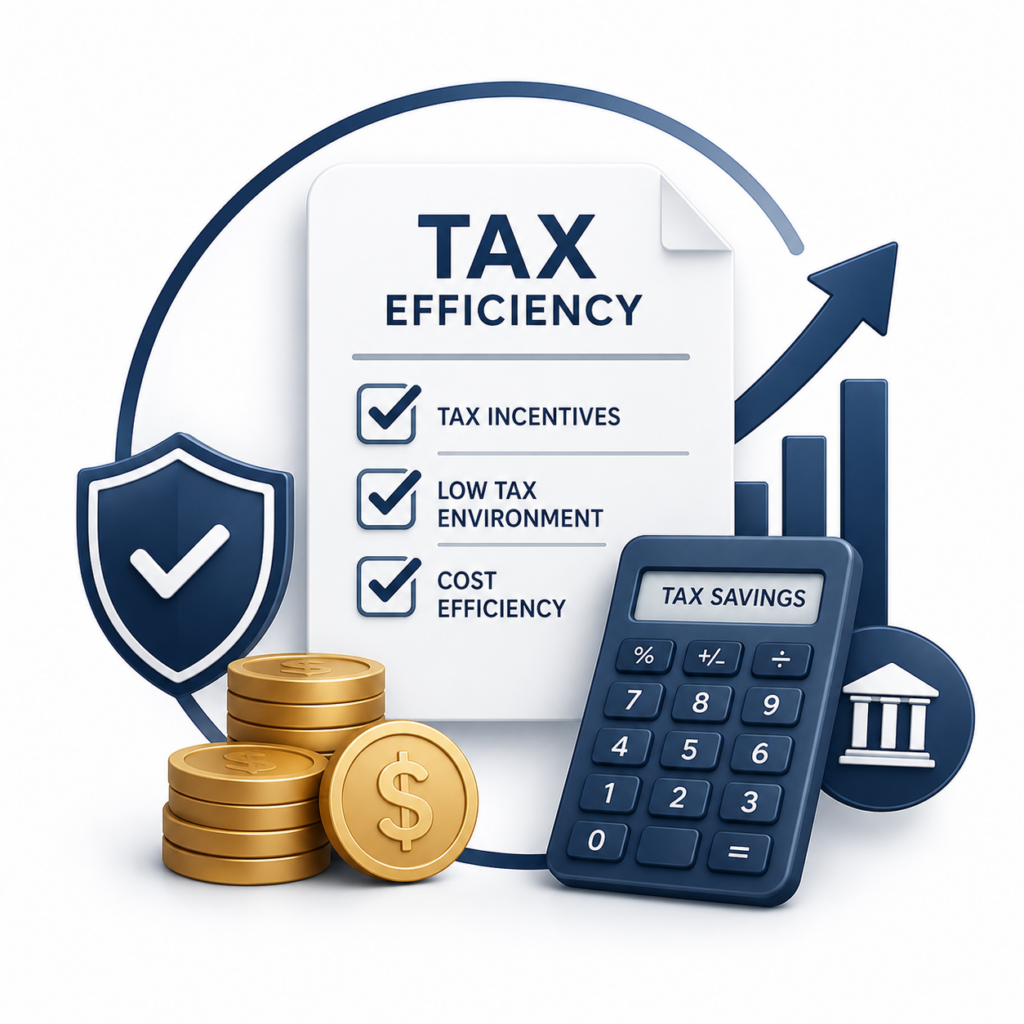
• Improved operational and tax efficiency
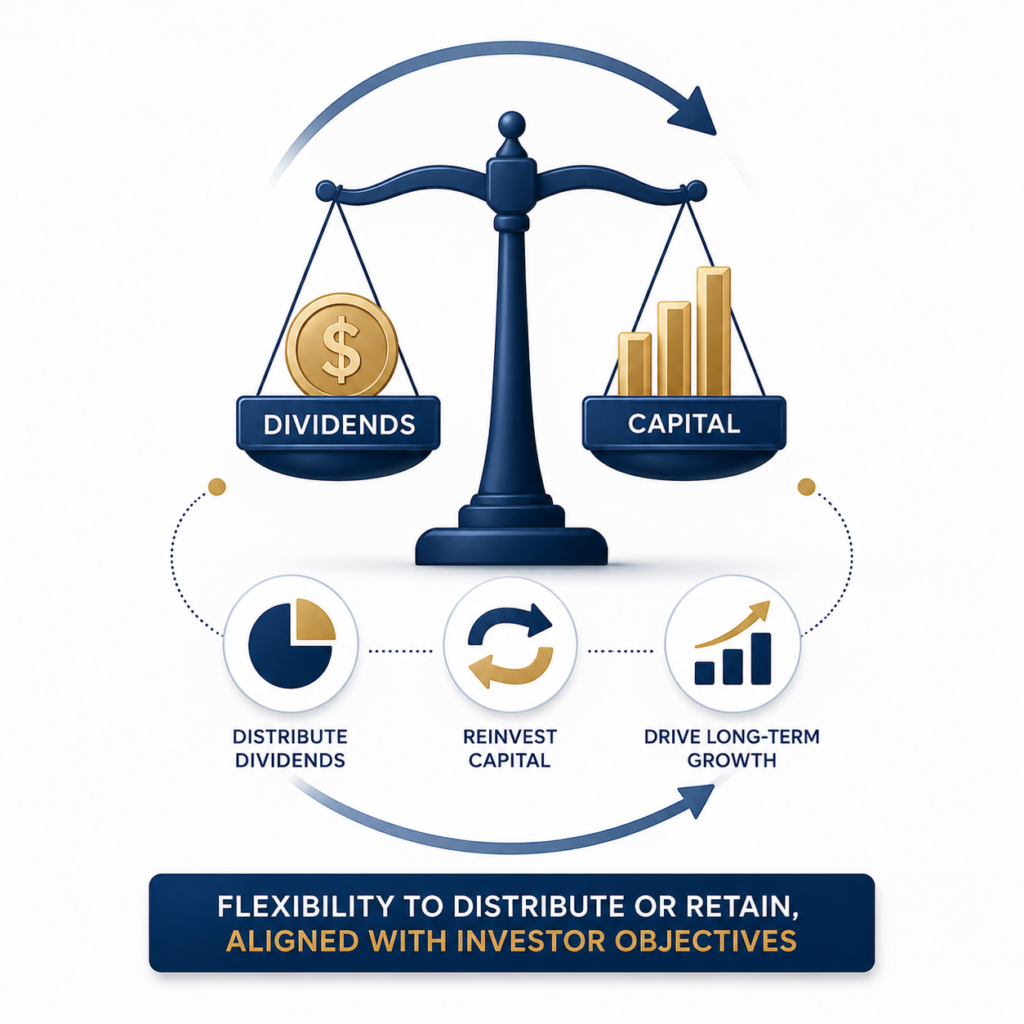
• Greater flexibility in issuance and redeeming shares, payment of dividends out of capital
• The capital of a VCC will always be equal to its net assets, thereby providing flexibility in the distribution and reduction of capital
• All VCC must be managed by a Permissable Fund Manager. It will require a Singapore-based licensed or regulated fund manager (unless exempted under the regulation*)
• Existing Securities and Futures Act (SFA) requirements for investment funds will apply to VCCs
• It must have at least one Singapore resident director and at least one director (may be the same as resident director) who is either a director or qualified rep of the VCC fund manager. For non-autorised scheme and at least 3 directors for authorised scheme
• A VCC must have its registered office in Singapore and must appoint a Singapore-based company secretary. A VCC must have at least one shareholder
• It must be subject to audit by a Singapore-based auditor and must present its financial statements as per IFRS, Singapore FRS, US GAAP, or RAP 7
* Currently, fund managers exempt from regulations – real estate, single family offices, and related party exemption – cannot use VCC. This list may be intended to expand in future.
Yes. A VCC can function as an umbrella entity with several sub-funds, each with its own assets, liabilities, and investment objectives. This allows managers to run varied strategies efficiently while maintaining clear segregation between them.
The VCC framework is designed to allow shares to be issued or redeemed based on the fund’s net asset value, providing a high level of operational flexibility. This makes it easier for managers to accommodate investor movements and adjust to market changes without major structural disruptions.
Yes, they may be eligible for VCC tax exemption schemes offered to qualifying fund vehicles. These schemes are intended to enhance tax efficiency and strengthen Singapore’s competitiveness as a fund management jurisdiction.
Singapore provides financial assistance through the VCC grant scheme, which helps offset incorporation and initial operating costs for fund managers adopting the structure. This encourages broader industry adoption and reduces the barriers to establishing new fund vehicles.
Determining suitability depends on factors such as your investment strategy, investor profile, and long-term growth plans. Many managers consider a VCC when they require operational flexibility, scalability, or a structure that can support multiple strategies under one framework. Feel free to contact us for more information.
• Local registered filing agent Corporate secretary
• Singapore based fund administrator ( If 13R or 13X application is considered )
• VCC must be managed by Fund Manager regulated by MAS
Let’s Build Your Investment and Wealth Strategy Together!
Ready to Structure, Grow, and Preserve Your Wealth?
Our team provides comprehensive expertise in fund management, family offices, private wealth structuring, and Singapore VCC solutions
Unlock New Opportunies for Growth, Governance, and Legacy
Establish a Diversify Range of Asset Classes
Let’s Build Your Investment and Wealth Strategy Together
Work Together, Explore Opportunities!